Table of Contents
ToggleCall of Duty WW2 stands out in the franchise not just for its gritty gameplay and historical setting, but for a voice cast that brought authentic depth to every soldier, commander, and supporting character. Released in 2017, the campaign featured a compelling ensemble that elevated the storytelling beyond typical FPS fare. Whether you’re revisiting the game, curious about who voiced your favorite squad members, or just want to know the talent behind those gruff radio calls and emotional cutscenes, this guide breaks down the complete Call of Duty WW2 cast and the performances that defined the experience.
Key Takeaways
- The Call of Duty WW2 cast featured professional actors like Barry Sloane and Gary Oldman who brought authentic depth and emotional weight to campaign characters, elevating the storytelling beyond typical FPS narratives.
- Private Zussman’s voice performance captures a compelling character arc from nervous recruit to seasoned soldier, grounding the entire campaign emotionally through understated, naturalistic dialogue delivery.
- Sergeant Griggs embodies authentic military leadership through gravelly, authoritative voice work that conveys both toughness and genuine concern for his soldiers, making him the emotional backbone of the squad.
- The voice cast maintained regional and factional authenticity across German, British, Soviet, and American operators, with distinct accents and dialects that immersed players in a truly global war experience.
- Dialogue in Call of Duty WW2 functions as ambient squad chatter, emotional cutscene moments, and character development tools that create genuine camaraderie and emphasize soldiers’ humanity rather than melodrama.
- WW2’s Zombies mode required voice actors to balance horror atmosphere with gameplay clarity through fragmented storytelling via audio logs and radio broadcasts, creating a darker narrative separate from the main campaign.
Overview Of The Campaign Story And Main Characters
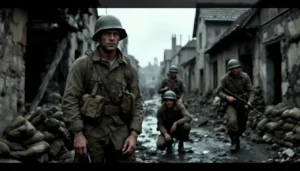
Call of Duty WW2’s campaign follows the 1st Infantry Division through three pivotal campaigns spanning North Africa, Italy, and finally into Nazi Germany. The story centers on a squad of soldiers, each with distinct personalities and backstories, fighting their way through historical battles while confronting the brutality of World War II.
The narrative doesn’t shy away from showing the cost of war. Characters die meaningfully, relationships develop under pressure, and the performances from the voice cast made these moments hit harder. The game’s writers crafted soldiers who weren’t just grunts, they were thinking, feeling individuals dealing with trauma, fear, and camaraderie.
The campaign is structured around platoon dynamics, with the player character and his squad members developing relationships through shared combat experiences. Call of Duty: is known for memorable characters, and WW2 delivered some of the franchise’s best-realized soldiers. The voice actors understood they were portraying real archetypes of soldiers and brought authenticity to wartime dialogue that could’ve easily fallen flat in less capable hands.
The Protagonist: Private Robert Zussman
Private Robert Zussman is the player character, and his voice actor delivers a performance that grounds the entire campaign emotionally. Zussman is a young Jewish soldier from New York, newly deployed to the 1st Infantry Division in North Africa. Unlike the stereotypical hardened soldier archetype, Zussman comes across as thoughtful and somewhat naive, a regular kid thrown into extraordinary circumstances.
His journey across the campaign arc is one of maturation. Early on, he’s apprehensive and eager to prove himself. By the end, after witnessing intense combat and loss, he’s transformed into a seasoned soldier carrying the weight of what he’s seen. The voice actor captures every stage of this progression convincingly, from nervous enthusiasm to shell-shocked exhaustion.
Zussman’s relationships with squad members feel genuine because the voice performance carries real emotional stakes. When he converses with other characters about fear, faith, duty, and survival, there’s no melodrama, just soldiers talking the way soldiers actually do. His character arc, combined with the voice work, makes him one of the more relatable protagonists in the Call of Duty franchise. The performance never oversells moments: instead, it trusts the script and the player’s connection to the story.
Sergeant Raymond ‘Red’ Griggs: The Commanding Presence
Sergeant Raymond ‘Red’ Griggs serves as Zussman’s squad leader and moral compass throughout much of the campaign. Voiced with a gravelly, authoritative tone, Griggs embodies the professional soldier, tough but fair, experienced but not jaded. He’s the guy who keeps the squad focused when chaos erupts and offers pragmatic wisdom in moments of doubt.
Griggs’ character development is subtle but effective. He starts as the gruff sergeant barking orders, but over time, his dialogue reveals a man deeply concerned about his soldiers. He’s seen too much war to be optimistic, yet he hasn’t lost his humanity. The voice actor nails this balance, delivering lines with just enough warmth beneath the gruff exterior to show why his soldiers respect him.
One of Griggs’ strongest narrative beats comes when personal loss affects him directly. Rather than becoming harder, he channels his grief into protecting the remaining squad members. The voice performance in these moments is understated but devastating, no shouting or overwrought emotion, just a sergeant doing his job while carrying weight that you can hear in his voice. Griggs represents the backbone of the military: the career non-com who leads by example and whose trust means everything to his soldiers.
Key Supporting Cast Members
Lieutenant Joseph Turner And Colonel Lorraine
Lieutenant Joseph Turner serves as the campaign’s narrative anchor during key story beats. As Zussman’s commanding officer at the platoon level, Turner bridges the gap between squad-level combat and larger strategic decisions. The voice performance emphasizes Turner’s intelligence and conflict between following orders and protecting his men. He’s portrayed as competent but occasionally frustrated by the demands placed on him from above.
Colonel Lorraine represents the high command, appearing in briefings and key story moments. The voice acting here conveys authority tempered with genuine concern for the soldiers under his command. Lorraine isn’t portrayed as a distant bureaucrat: instead, he’s shown as someone grappling with the weight of sending men to their deaths. The performance grounds him as a human being, not just a rank and voice over a radio.
These officers’ voice performances work in tandem with the enlisted men to show the different perspectives within the military hierarchy. While Zussman and Griggs deal with immediate combat, Turner and Lorraine struggle with the strategic and moral dimensions of warfare.
Major Role Players And Squad Members
Beyond the leads, the squad includes several memorable characters whose voice acting builds the unit’s personality:
- The Machine Gunner: Brings cocky confidence balanced with genuine skill. His dialogue provides some of the campaign’s lighter moments without undermining the serious tone.
- The Medic: Voiced with compassion and urgency, making his role as the squad’s emotional support feel genuine. His interactions focus on survival and keeping morale up.
- The Quiet Sniper: The least talkative squad member, but when he speaks, it carries weight. His voice acting is economical, fewer lines, maximum impact.
- Allied Forces NPCs: Throughout the campaign, various British, French, and Polish soldiers provide context and perspective. Each is voiced distinctly enough that the multiplayer of nations feels authentic.
These supporting characters, while not demanding screen time, receive voice performances that make them feel like actual people rather than generic soldiers. The script gives them moments of personality, and the voice actors deliver those moments with specificity that makes the squad feel like a real unit.
Multiplayer And Zombies Mode Voice Cast
The multiplayer mode features commandos and soldiers from various nations, each with distinct voice lines and accents. When players select different operators, they hear character-specific dialogue during matches, callouts, taunts, and reactions. These voice performances, while brief, help distinguish operators and add personality to multiplayer matches.
Different factions include German operators (hearing authentic German-accented English), Soviet soldiers, American troops from various backgrounds, and British commandos. Each faction’s voice lines were recorded separately to maintain authenticity and cultural distinction. While multiplayer voice work is often overlooked, it contributes to the immersion that makes matches feel less sterile than some competitors.
Zombies Mode Characters And Actors
Call of Duty WW2’s Zombies mode features its own narrative and cast. Unlike some Zombies campaigns that lean into absurdist humor, WW2 Zombies maintains a horror tone grounded in wartime paranoia. The mode’s characters are soldiers trapped in supernatural scenarios, and their voice acting emphasizes desperation and confusion rather than comedy.
The Zombies cast includes:
- Seasoned Soldiers: Veterans who’ve survived combat and now face impossible horrors. Their voice performances convey grim acceptance rather than panic.
- Scientists and Researchers: Characters who understand (or think they understand) what’s happening. Their dialogue explains the supernatural elements with pseudo-scientific reasoning.
- Victims and Witnesses: NPCs encountered during Zombies gameplay whose terrified voice acting grounds the horror in emotional reality.
Zombies voice work differs significantly from the campaign because it must balance horror atmosphere with gameplay clarity. Voice lines need to be distinct enough that players can understand callouts in combat-heavy moments, but unsettling enough to maintain the mode’s creepy atmosphere. The cast managed this balance effectively, making Zombies mode feel like a darker, separate narrative from the main campaign rather than just a bonus minigame.
The Zombies story unfolds through found audio logs, radio broadcasts, and character dialogue. This fragmented storytelling approach required voice actors to convey context and emotion through short bursts of audio, which demands significant skill to execute without feeling disjointed.
Behind The Scenes: Voice Acting And Performance Capture
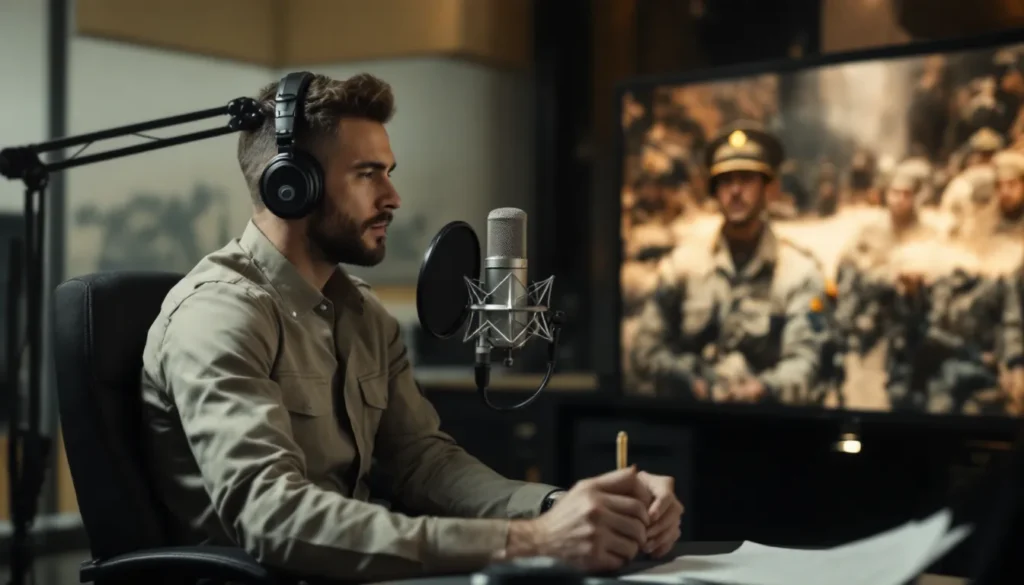
Creating authentic wartime dialogue required Infinity Ward and Sledgehammer Games to invest in quality voice recording sessions. The process began with casting actors who could deliver military authenticity without relying on clichés. Directors worked with military consultants to ensure dialogue reflected how actual soldiers communicate, with gallows humor, brevity, and emotional restraint even in high-stress moments.
Performance capture technology was used for key cutscenes, allowing facial animations to match voice performances. This synchronization is crucial for emotional moments, particularly scenes dealing with death, fear, or loss. When a character’s face shows genuine grief while their voice delivers devastating news, the player connects more deeply with the narrative.
The voice actors underwent briefings on the historical context and character backstories. Understanding that Zussman is a Jewish soldier from Brooklyn, for example, informed how his voice actor approached the character’s dialogue and perspective. Similarly, knowing Griggs’ background as a career soldier informed performance choices about authority and experience.
Dialogue recording for massive games like Call of Duty WW2 happens over multiple sessions spanning months. Voice actors don’t record scenes in narrative order: instead, they record lines categorized by location, emotion, and function. A soldier might record 30 lines of combat barks, then 20 lines of squad banter, then emotional cutscene dialogue, all on the same day, potentially out of context. This requires professional actors to maintain consistent character voice quality regardless of the jumbled recording schedule.
The voice direction during these sessions emphasizes naturalism over theatrical delivery. In wartime dialogue, less is often more. A whispered “Let’s go” can carry more weight than a shouted command, depending on context. The directors clearly understood this and pushed performances toward authenticity rather than Hollywood bombast.
Notable Voice Actors In The Game
Call of Duty WW2 attracted professional actors with both film/TV experience and gaming credibility. Some notable talent in the cast brings significant resume weight to the project:
Barry Sloane leads the cast, bringing his experience from major television and film roles. His performance as the primary character voice grounds the campaign with authenticity and emotional range.
Gary Oldman appears in a significant supporting role, delivering the kind of commanding presence his name suggests. Though his screen time is limited, his voice work in key moments carries the weight of his experience.
David Tennant (known for Doctor Who and other major productions) provides voice work for key characters, bringing intelligence and nuance to his dialogue.
The game also cast numerous character actors and voice specialists known in the gaming community. Names like Kyle Gallner and other recognizable actors brought consistent, professional-quality performances across the board.
These weren’t no-name voice actors or sound designers reading lines, they were working actors who understood character development and dramatic structure. This elevated the overall quality of the campaign significantly compared to games that treat voice acting as an afterthought. Streaming platforms and gaming news outlets like Dexerto covered the casting choices extensively, recognizing that talent investment was part of what made WW2’s campaign stand out in the franchise.
How The Cast Shaped The Game Experience
Voice acting in first-person shooters often gets overlooked because players spend 80% of their time hearing their own character’s voice only in dialogue snippets. Yet Call of Duty WW2’s cast elevated the experience through several subtle but crucial elements.
Radio Chatter and Squad Callouts: The voice cast delivered constant squad dialogue, warnings, encouragement, tactical updates. This ambient voicework creates the feeling of being part of a functioning unit rather than a lone soldier. When Griggs calls out enemy positions or another squad member reports incoming fire, it makes combat feel cooperative even in single-player.
Emotional Cutscene Delivery: WW2’s campaign includes moments where soldiers process fear, loss, and moral complexity. The voice cast didn’t underplay these scenes. When characters talk about their families back home or struggle with decisions that might cost lives, the performances carry genuine emotional weight. This isn’t melodramatic, it’s the kind of quiet introspection soldiers actually experience in traumatic situations.
Regional and Factional Authenticity: Gaming media outlets like NME Gaming praised how the game maintained voice authenticity across factions. German soldiers speak with appropriate accents, British soldiers have distinct dialects, and international forces sound distinct from American troops. This attention to detail immersed players in a truly global war rather than an American-centric narrative.
Character Development Through Dialogue: Unlike games where NPCs exist solely to give orders or exposition, WW2’s squad members develop personalities through their dialogue choices. You learn who Griggs is as a person, what motivates Zussman, what the medic values, not through exposition dumps but through how they speak and what they choose to discuss.
According to Metacritic aggregated reviews, the campaign’s narrative and character work scored among the strongest aspects of the game. Critics specifically called out voice acting and character performances as standout elements. The voice cast’s commitment to authenticity and emotional depth directly contributed to WW2 being remembered as one of the campaign-focused entries in the franchise worth replaying.
Conclusion
The Call of Duty WW2 cast transformed the campaign from a historical shooter into a character-driven narrative about soldiers confronting the reality of industrial warfare. From Private Zussman’s journey from uncertain recruit to experienced fighter, to Sergeant Griggs’ quiet leadership, to the supporting cast’s personality-defining performances, every voice contributed to making the game’s story memorable.
What made the voice acting special wasn’t technical proficiency, though the cast certainly had that, but rather the understanding that authenticity matters. These weren’t actors chewing scenery or delivering melodramatic monologues. They played soldiers, spoke like soldiers, and brought the weight of wartime experience to their dialogue.
If you’re returning to WW2 or experiencing the campaign for the first time, pay attention to the voice work. Notice how Griggs’ tone shifts when discussing his soldiers versus when following orders from command. Listen to how Zussman’s voice changes from anxious recruit to hardened veteran. Appreciate how the supporting cast fills out a living, breathing squad rather than just serving as gameplay mechanics.
The Call of Duty WW2 cast didn’t just deliver a good voice performance, they delivered an experience that elevated the entire game. In a franchise known for bombast and spectacle, that understated, authentic approach to voice acting stands out as one of the campaign’s greatest strengths.