In the world of gaming, few titles ignite passion like Call of Duty. It’s not just a game; it’s a phenomenon that has players dodging bullets and strategizing their next move while simultaneously questioning their life choices. With each new installment, it pulls gamers into a whirlwind of action-packed chaos, where teamwork is crucial and victory tastes sweeter than a double cheeseburger.
Whether you’re a seasoned veteran or a newbie just trying to figure out which button does what, Call of Duty offers a thrilling experience that keeps players coming back for more. From the heart-pounding campaigns to the adrenaline-fueled multiplayer modes, it’s a battlefield where friendships are forged and rivalries are ignited. So grab your headset and load up—it’s time to dive into the explosive world of Call of Duty, where every match is a chance to prove who’s the best (or at least who’s the most entertaining to watch).
Overview of Call of Duty
Call of Duty stands as one of the most influential video game franchises in history. Developed initially by Infinity Ward in 2003, it started as a World War II shooter. The franchise quickly evolved, incorporating various warfare scenarios and time periods, with titles set in modern, futuristic, and even historical contexts.
Players engage in single-player campaigns and multiplayer experiences that challenge their skills and strategy. The campaigns feature gripping stories and immersive gameplay, often focusing on themes of heroism and sacrifice. Multiplayer modes, on the other hand, encourage teamwork and competition through diverse game types and maps that create endless possibilities for engagement.
The franchise’s growth is reflected in its annual releases. Each installment introduces new gameplay mechanics, graphics, and engaging narratives, keeping players invested. Titles like Call of Duty: Modern Warfare and Call of Duty: Warzone have redefined the battle royale genre, garnering massive player bases and generating substantial revenue.
Community engagement plays a significant role in its success. Frequent updates, seasonal events, and collaborations attract both casual gamers and competitive players. Esports tournaments create a platform for skilled players to showcase their talents, turning gaming into a spectator sport.
In addition to gameplay, the franchise explores themes relevant to contemporary society. Players navigate moral dilemmas through their characters’ choices, offering a deeper narrative that resonates with many. Such storytelling combined with effective multiplayer design solidifies Call of Duty’s place in gaming culture.
Gameplay Mechanics
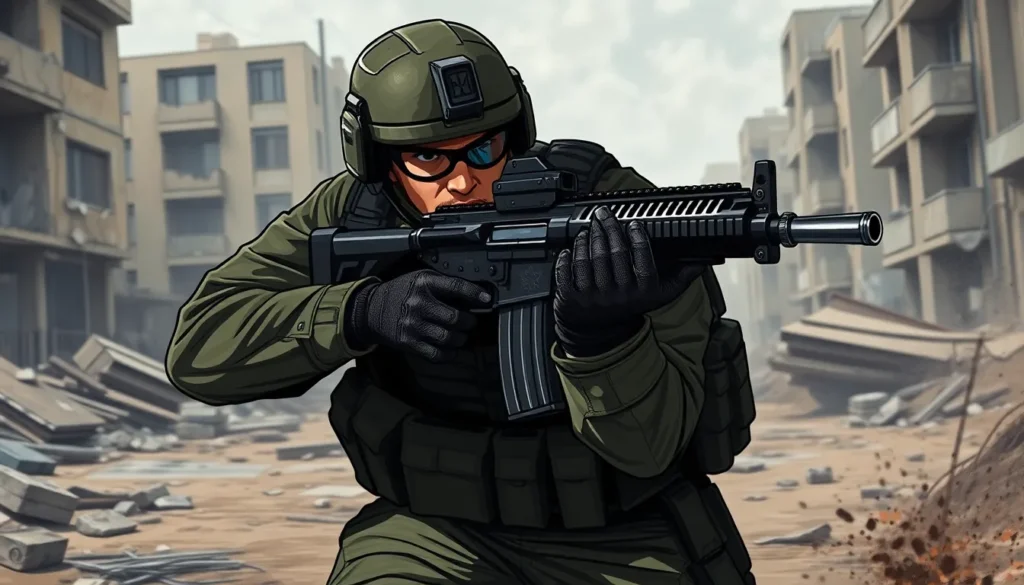
Call of Duty offers engaging gameplay mechanics that enhance the player’s experience. The franchise excels at balancing intense action with strategic teamwork, appealing to a wide range of players.
Single-Player Campaign
Single-player campaigns immerse players in rich narratives. Players embark on thrilling missions filled with high-stakes scenarios and emotional storytelling. Each installment presents unique characters, showcasing their struggles and triumphs. Objectives often involve tactical decision-making that impacts significant plot points. For example, players might face moral dilemmas that shape their character’s journey. These campaigns rarely shy away from contemporary issues, adding layers to the gaming experience.
Multiplayer Experience
Multiplayer experience capitalizes on competitive gameplay. Players compete in various modes, from traditional Team Deathmatch to large-scale battle royale formats like Warzone. Each map features distinct terrains requiring different strategies. Customization options allow gamers to personalize their loadouts, significantly influencing gameplay. Additionally, regular updates introduce new content, ensuring fresh experiences. Esports tournaments further elevate the competitive scene, inviting players to showcase their skills on global stages. Players often develop strategies that foster teamwork, making every match unique.
Graphics and Audio Design
Call of Duty excels in both graphics and audio design, creating an immersive gaming environment.
Visuals and Art Style
Cutting-edge technology supports stunning visuals, bringing realistic details to life. Developers focus on dynamic environments, enhancing gameplay immersion through destructible elements. Players experience varying graphical styles across different titles, with some adopting a gritty aesthetic while others lean towards vibrant visuals. Each setting contributes to unique atmospheres, whether urban warfare or lush battlefields. Frame rates typically remain high, ensuring smooth action during intense firefights. Lighting effects play a crucial role, enhancing realism through shadows and reflections. In multiplayer maps, distinct color palettes aid in identifying teams and objectives, facilitating strategic gameplay.
Soundtrack and Sound Effects
Auditory elements significantly enhance the Call of Duty experience. Iconic soundtracks vary across titles, often composed to evoke emotions and tension. Background sounds, such as gunfire and explosions, create a sense of urgency, immersing players in chaotic environments. Voice acting adds depth to narratives, making characters feel authentic and relatable. Attention to detail shines through directional audio, allowing players to pinpoint enemy locations based on sound cues. Environmental sounds, like footsteps and vehicle engines, increase situational awareness during gameplay. Frequent updates introduce fresh audio elements, ensuring that even seasoned players remain engaged with the auditory landscape.
Evolution of the Series
The Call of Duty franchise has undergone significant transformations since its debut in 2003. Players engage with a dynamic landscape that enhances their gaming experience through various settings and narratives.
Key Milestones
The series marked its first major milestone with “Call of Duty 4: Modern Warfare” in 2007, transitioning from historical battles to modern combat. This installment introduced diverse multiplayer modes and a gripping single-player campaign. In 2019, “Call of Duty: Modern Warfare” rebooted the franchise, featuring advanced graphics and a new narrative approach. Similarly, “Call of Duty: Warzone,” launched in 2020, popularized the battle royale format, creating a vast, free-to-play experience that attracted millions of players worldwide. Subsequent titles have consistently built upon these successes, maintaining player interest and expanding the franchise’s reach.
Changes in Gameplay
Gameplay improvements have defined the franchise’s evolution. New mechanics introduced in different installments, like enhanced weapon customization and kill streaks, have kept the experience fresh. Tactical elements became more prominent, with players required to strategize and adapt. Moreover, the introduction of cross-platform play expanded the player base, ensuring that friends can team up regardless of their systems. Seasonal content updates continue to refresh modes and challenge players, while community feedback shapes future iterations. As a result, gameplay adapts to player preferences and maintains a vibrant, engaging environment.
Community and Online Presence
The Call of Duty franchise thrives on its extensive community and strong online presence. This dynamic environment fosters interaction among players, creating a sense of belonging.
Fanbase and Community Engagement
Players actively participate in forums and social media platforms, sharing strategies and forging friendships. With millions of active users, the fanbase engages in discussions about updates, game features, and upcoming releases. Seasonal events, community challenges, and developer Q&A sessions deepen this connection. Players also celebrate fan art, montages, and content creation, showcasing their passion for the game. Overall, ongoing communication between developers and players ensures feedback shapes future content, enhancing community trust and involvement.
Competitive Scene
The competitive scene in Call of Duty captivates players globally, highlighting skill and strategy. Various tournaments promote intense competition, drawing participation from both amateur and professional players. Esports leagues facilitate a platform for top teams, enhancing visibility and recognition. Popular titles like Call of Duty: Warzone encourage participation through ranked modes, allowing players to test their abilities against others. Live streams and commentary elevate the viewing experience, attracting larger audiences and keeping fans engaged. Regular updates ensure balance, providing fresh content that maintains interest in the esports landscape.
The Call of Duty franchise continues to redefine the gaming landscape with its captivating blend of action and strategy. Its evolution from a World War II shooter to a modern warfare juggernaut showcases its ability to adapt and innovate. Players are drawn not only to the intense gameplay but also to the rich narratives and community engagement that enhance their experience.
With each new release the franchise pushes boundaries in graphics and audio design, creating immersive worlds that resonate with players. The thriving esports scene and active community foster a sense of belonging among fans, ensuring that Call of Duty remains a staple in gaming culture. As it moves forward, the franchise’s commitment to quality and player engagement will undoubtedly keep it at the forefront of the industry.