Table of Contents
ToggleThe Call of Duty franchise is finally making the leap to the big screen. After decades of dominating gaming culture with high-octane campaigns and explosive multiplayer action, the iconic shooter series is getting the Hollywood treatment, and gamers everywhere are buzzing about what this means. Will the film capture the intensity of the campaigns? Can it do justice to characters like Ghost and Captain Price? These are the questions keeping the community engaged as production moves forward. Here’s everything we know about the Call of Duty movie, from the release date to the behind-the-scenes details that’ll shape this ambitious adaptation.
Key Takeaways
- The Call of Duty movie is a theatrical release scheduled for late 2025, backed by major Hollywood studios and experienced filmmakers committed to respecting the franchise’s narrative depth and military authenticity.
- The film draws inspiration from multiple games across the Modern Warfare and Black Ops series rather than adapting a single campaign, weaving these threads into an original story centered around themes of loyalty, sacrifice, and the cost of war.
- Call of Duty benefits from 18 years of established franchise narrative, character development, and cultural penetration—advantages that set it apart from previous video game adaptations that lacked substantial source material.
- The production emphasizes character-driven storytelling and tactical realism through practical effects, actual filming locations, and military consultation, avoiding reliance on excessive CGI or detached action sequences.
- Cast announcements feature established actors with both action credentials and dramatic range, suggesting central characters will receive meaningful development rather than serving purely as exposition vehicles for plot.
- Success for the Call of Duty movie hinges on execution: quality character development, narrative cohesion, and authenticity will determine whether the adaptation validates video game storytelling as worthy of serious filmmaking investment.
The Call Of Duty Movie In Development: What We Know So Far
Official Announcement And Production Timeline
Call of Duty’s transition to film has been in talks for years, but serious development kicked into high gear in 2022 when Activision officially greenlit a theatrical adaptation. The project was announced alongside massive franchise developments, signaling that this wasn’t a side project but a core pillar of Call of Duty’s future. Unlike many video game adaptations that struggle through troubled development, this one has had substantial studio backing from the start.
The timeline moved relatively quickly by Hollywood standards. Pre-production ramped up through 2023, with filming commencing in early 2024. The crew wrapped principal photography by late 2024, allowing post-production teams to refine visual effects and sound design. Industry insiders suggest a strategic release window for 2025 to capitalize on momentum from the franchise’s latest entries and avoid competing with major franchise tentpoles.
Studio And Creative Team Behind The Project
Activision partnered with major Hollywood studios to bring this vision to life, bringing in experienced filmmakers who understand action-driven narratives. The studio selection was crucial, Call of Duty needed partners who could handle large-scale military action sequences while respecting the source material’s tone and depth.
The creative leadership includes directors and producers with solid track records in action cinema. Rather than handing the project to an inexperienced crew, the studios invested in talent that’s delivered blockbuster productions before. This signals serious commitment: Call of Duty isn’t getting the low-budget streaming treatment. The budget reflects the franchise’s cultural significance, with resources allocated for quality cinematography, practical effects, and authentic military consultation.
Producers also included people with gaming industry connections, ensuring that the creative process balanced Hollywood conventions with gaming authenticity. This cross-industry collaboration is what separates promising adaptations from those that miss the mark.
Plot And Story Direction
Which Campaign Will The Movie Adapt?
Here’s where things get interesting: the movie isn’t a direct one-to-one adaptation of a single campaign. Instead, it draws inspiration from multiple games across the franchise’s 18+ year history. This approach makes sense, Call of Duty’s single-player campaigns are episodic and often interconnected across different eras and perspectives.
The film borrows narrative elements from the Modern Warfare trilogy and Black Ops series, the two most narratively ambitious branches of the franchise. These campaigns feature complex geopolitical conflicts, deep character arcs, and moral ambiguity that translate better to cinema than pure spectacle. Rather than confusing viewers with competing timelines, the screenplay weaves these threads into a cohesive original story that respects the lore while creating something fresh.
Expectations point toward a focus on Task Force 141 or similar special operations units, given their prominence in modern Call of Duty storytelling and their cinematic appeal.
Expected Narrative And Themes
The narrative direction emphasizes themes of loyalty, sacrifice, and the cost of war. Call of Duty campaigns have never been purely about trigger-pulling, they explore the human toll of combat, the weight of command decisions, and the bonds between soldiers. The film leans into these elements, creating a story that appeals to both franchise loyalists and general audiences unfamiliar with the games.
Thematically, expect geopolitical intrigue and tactical military operations. The script reportedly features morally complex antagonists and scenarios where “victory” isn’t clearly defined. This parallels the franchise’s best campaigns, which presented conflicts with legitimate ideological positions on multiple sides.
Character development takes center stage. Rather than service characters through set pieces, the narrative builds relationships and backstory. Audiences will understand why characters make sacrifices and how these soldiers bond under pressure. This depth distinguishes quality military fiction from mindless action, and early reports suggest the screenplay nails this balance.
Cast And Characters
Announced Actors And Roles
Casting announcements have generated significant excitement across gaming and entertainment circles. The studio secured established actors with both action credentials and dramatic range, ensuring the film could handle intense combat sequences and intimate character moments.
Key roles include operatives with personalities and backstories, not faceless soldiers. Characters like the grizzled commander, the tech specialist, and the soldier haunted by past missions represent archetypes fans recognize from the games, but with room for fresh interpretation. The casting suggests these roles will be more than exposition vehicles, they’re central to the narrative.
Actors announced for the project include names recognizable from major franchises, adding gravitas and drawing audiences beyond the gaming community. The studio clearly invested in recognizable talent to boost theatrical appeal while maintaining commitment to casting performers who fit their roles beyond mere star power.
Character Expectations From The Games
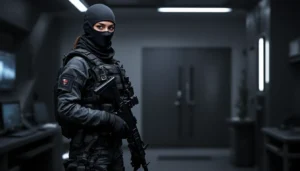
Gamers immediately connected the announced roles to beloved game characters. While the film isn’t a direct translation, character archetypes and dynamics mirror franchise favorites. Fans are particularly curious about whether the film will include characters like Ghost, the masked SAS operative who’s become iconic in the Modern Warfare era.
The challenge lies in translating character depth from games, where players experience campaigns from their perspective, to film. In games, Captain Price’s command decisions feel impactful because players follow his orders. In a movie, he’s one character among several, and filmmakers must restructure how his leadership registers on screen.
Expectations are high for character-driven moments. Call of Duty fans know that the most memorable game moments aren’t always the biggest explosions, they’re scenes where soldiers connect over shared trauma or make impossible choices under pressure. The film’s success depends on capturing these quieter beats alongside the action.
Release Date And Where To Watch
When Is The Movie Coming Out?
The Call of Duty movie release date has been circled by gamers and film enthusiasts alike. Current projections target a theatrical release in late 2025, though specific dates remain under wraps pending final post-production schedules. The studio is strategically positioning the film to avoid major franchise competition while capitalizing on gaming culture’s peak engagement periods.
The release timing is intentional. It avoids direct competition with superhero franchises’ typical release windows and positions Call of Duty as a premium action event. Marketing campaigns are ramping up, with teaser content likely dropping throughout 2025 to build anticipation.
Production delays are always possible in Hollywood, so hardline release dates might shift. But, the project appears to be on schedule based on publicly available information. Gaming outlets and entertainment media will continue reporting updates as the release approaches.
Streaming And Theater Availability
Call of Duty is a theatrical release, not an exclusive streaming product. This represents a significant commitment, the studio believes this film deserves the big screen, IMAX experiences, and all the cinematic spectacle that brings. Streaming availability will follow the standard theatrical window (typically 30-45 days of exclusivity before premium VOD options emerge).
The theatrical-first strategy makes sense for a franchise known for explosive action sequences. Call of Duty campaigns are designed around spectacle, and translating that to film means the theatrical experience matters. IMAX versions will likely showcase combat sequences and location cinematography that demand a massive screen.
Following the theatrical window, the film will migrate to standard streaming platforms. Activision hasn’t announced specific streaming partnerships yet, but major services like Netflix, Amazon Prime Video, or Paramount+ are likely eventual homes. Given the franchise’s massive reach, the studio will prioritize platforms with strong gaming demographic penetration.
How Does It Compare To Other Video Game Movies?
Lessons From Previous Gaming Adaptations
The path to successful video game adaptations is littered with cautionary tales. Early attempts like the Super Mario Bros. movie and Resident Evil series proved that source material alone doesn’t guarantee quality. But, recent successes changed the equation. The Sonic the Hedgehog franchise rebounded after listening to fan feedback, while detective noir elements in the latest Resident Evil films found unexpected critical acclaim.
Call of Duty benefits from these lessons. Filmmakers understand that gaming audiences are sophisticated, they notice when adaptations dismiss their source material as “just a game.” The franchise also has narrative depth that earlier gaming adaptations lacked. You can’t compare Call of Duty’s storytelling ambitions to early Street Fighter or Double Dragon films, which had minimal plot to work from.
Recent gaming adaptations emphasized character development and world-building over pure spectacle. The Call of Duty Archives contains years of character history and narrative depth that filmmakers can draw from legitimately. This gives Call of Duty an advantage many adaptations don’t have.
What Sets Call Of Duty Apart
Call of Duty’s core advantage is its franchise maturity. Unlike adapting a single game with a straightforward plot, Call of Duty offers a rich universe spanning decades of in-game storytelling, complex characters, and established world rules. The military setting also provides inherent cinematic appeal, audiences already understand combat dynamics, hierarchy structures, and operational frameworks.
The franchise’s cultural penetration is another asset. Call of Duty isn’t niche, it’s mainstream gaming at its most popular. Hundreds of millions have played these games, creating built-in audience familiarity with characters, settings, and tone. This differs from adapting lesser-known properties where filmmakers must explain everything from scratch.
Financially, Call of Duty justifies the investment like few franchises can. The franchise has generated over $30 billion in revenue, making it one of gaming’s most profitable properties. Studios are willing to fund quality productions for franchises with proven commercial legs. This budget availability translates to production quality that can meet the spectacle expectations audiences bring to military action films.
Marketing And Hype: What The Trailers Reveal
Trailer Analysis And Visual Style
Trailer footage has provided glimpses into the film’s visual approach. Cinematography emphasizes tactical operations and practical locations rather than excessive CGI. Combat scenes appear grounded and kinetic, with emphasis on small-unit tactics and environmental storytelling. The visual language mirrors modern military cinema while maintaining blockbuster scope.
Color grading reportedly uses the franchise’s familiar palette: desaturated greens and blacks for operational sequences, with warm tones in character moments. This maintains visual consistency with how Call of Duty presents its campaigns. Locations span multiple countries and environments, reflecting the franchise’s global scope.
Special effects showcase modern warfare technology: drones, night vision sequences, thermal imaging. Rather than emphasizing unrealistic superhero physics, effects support tactical realism. Explosions serve narrative purposes rather than existing for spectacle alone. This approach respects both the games’ aesthetic and viewer intelligence.
Social Media Buzz And Community Reception
Gaming communities have been engaged throughout production. Casting announcements generated immediate discussion, with players speculating about character connections. Behind-the-scenes photos sparked analysis about filming locations and potential plot points. Fan communities developed theories about narrative direction based on minimal official information.
The broader gaming audience seems cautiously optimistic. Unlike initial skepticism that greets many video game adaptations, Call of Duty has goodwill baked in. Players want this to work because they love the franchise. This enthusiasm, channeled correctly, becomes powerful word-of-mouth marketing.
Social media reactions to footage emphasize authenticity and scope. Fans appreciate military accuracy in weapon handling and tactical sequences. Production value clearly impressed audiences, the film appears to have the budget and craftsmanship expected of a major franchise tentpole. Negative comments typically focused on specific casting choices rather than fundamental concerns about the project’s viability.
Behind-The-Scenes Production Insights
Filming Locations And Set Design
Production has utilized real-world locations across multiple continents, bringing authenticity that set-bound filming couldn’t achieve. Eastern European landscapes serve as operational theaters, while urban environments host infiltration sequences. Using actual military installations (with appropriate permissions and reproductions) versus green screen sets creates grounded visual storytelling.
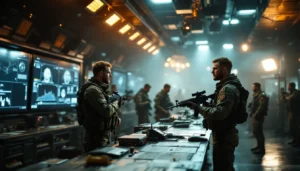
Set design emphasizes functional spaces where soldiers operate: command centers with actual military communication equipment, barracks that reflect how operators actually live, vehicles that match real military hardware. Production designers consulted military advisors to ensure spaces feel authentic rather than Hollywood-imagined. This attention to detail registers subconsciously with viewers, creating immersion without feeling artificially staged.
Production design integrates Call of Duty lore subtly. Alert observers might notice mission control screens displaying information consistent with franchise fiction, or facility designations that reference established locations. These details reward franchise familiarity without requiring background knowledge to understand the narrative.
Director’s Vision For The Screen Adaptation
The director approached Call of Duty as a character-driven military thriller rather than a pure action spectacle. This prioritization shapes how scenes are constructed, emphasizing soldier experiences over detached action choreography. The goal is immersing audiences in operational reality: tension of planning, chaos of execution, aftermath of consequence.
Direction emphasizes practical stunts and tactical realism. Rather than relying on CGI gunfights, sequences prioritize careful shot composition showing how operators move, communicate, and engage threats. This creates suspense through geography, audiences understand space, sight lines, and tactical advantage because they’re clearly established.
Character work receives directorial attention typically reserved for drama. Moments between soldiers exploring fear, duty, and brotherhood carry weight equal to action sequences. The director reportedly spent considerable time on character preparation with the cast, building authenticity in interpersonal dynamics that might otherwise feel perfunctory.
The vision respects Call of Duty’s core appeal while translating it for film. Modern Warfare campaigns work partly because player agency creates emotional investment. The film can’t replicate that, but it can use cinematic grammar, close-ups of expressions, reaction shots, internal monologue, to create similar emotional resonance through character perspective.
What Gamers Are Expecting From The Film
Community Speculation And Wishlist
Gaming communities have developed extensive wishlists for what the film should include. Character appearances top the list: Will Ghost appear? Captain Price? The classic operators from Modern Warfare campaigns? Fans debate which characters work best for film adaptation and which might feel shoehorned if included unnecessarily.
Narrative elements generate equal speculation. Will the film explore themes of PTSD, the moral cost of military operations, and political manipulation? Or will it focus on pure tactical operations and international intrigue? Different fan segments prioritize different elements, though consensus exists that character depth matters more than explosions.
World-building questions dominate forums. Does the film establish the franchise’s fictional organizations, Task Force 141, Shadow Company, Ghosts? Does it reference faction conflicts or geopolitical tensions from the games? Fans understand that film audiences don’t need extensive lore explanation, but consistency with established fiction matters.
Notably, fans also hope the film elevates franchises’ reputation. Recent Call of Duty games have faced criticism over monetization practices and franchise fatigue. A well-received film could reinvigorate cultural perception of the franchise, separating the games’ quality from publishing controversies. Gamers want Call of Duty to succeed because a successful adaptation validates video game storytelling as worthy of serious filmmaking.
Potential Spin-offs And Franchise Expansion
If the film succeeds, sequels and spin-offs become inevitable. The franchise could support multiple films exploring different operations, time periods, or factions. A Modern Warfare trilogy spanning three films would create natural narrative arcs. Alternative approaches might focus on specific characters or different military branches.
Television offers another avenue. Limited series exploring specific campaigns or characters’ backstories could extend the cinematic universe while maintaining narrative focus. Call of Duty’s multiple storylines and era-spanning narratives provide material for years of content.
The franchise also has video game tie-in potential. Successful films often generate game collaborations: cosmetics crossing film characters into the games, narrative campaigns referencing film events, or completely new gaming experiences set in the film’s universe. Call of Duty’s existing multiplayer infrastructure could integrate film elements seamlessly.
Cross-media synergy matters here. How Much Is Call of Duty Worth? becomes an even more relevant question if the franchise successfully expands into film. Activision sees enormous potential in Call of Duty becoming a true multimedia phenomenon like Star Wars or the MCU. A successful film kicks that door open.
Conclusion
The Call of Duty movie represents a significant moment for video game adaptations. With established franchise identity, substantial production resources, and creative leadership that respects source material, the conditions exist for genuine success. Unlike adaptations of lesser-known properties or properties dismissed as pure entertainment, Call of Duty brings 18 years of narrative depth and cultural penetration.
The film’s success hinges on execution rather than concept. Quality character development, tactical authenticity, and narrative cohesion distinguish good military cinema from mediocre spectacle. Early production signals suggest the filmmakers understand these requirements. When the Call of Duty movie release date arrives in 2025, gamers will judge whether the adaptation honored the franchise’s legacy.
For gaming audiences, this film carries weight beyond typical blockbuster entertainment. A well-executed adaptation validates video game storytelling as worthy of serious filmmaking investment. It demonstrates that games can source material for grown-up cinema rather than kid-friendly cash grabs. Whether measured by critical reception, commercial performance, or community enthusiasm, the stakes feel genuine.
The franchise’s best campaigns achieved something rare: they merged action spectacle with genuine character investment and thematic complexity. If the film captures even portions of that magic, it becomes the gold standard for gaming adaptations. Gamers are ready, they’ve been waiting for a Call of Duty movie that takes the franchise seriously. By 2025, they’ll finally find out if filmmakers delivered.