Table of Contents
ToggleThe Call of Duty Championship stands as esports’ most lucrative and fiercely contested annual event. For players, it represents the pinnacle of competitive Call of Duty, where the best franchises clash for millions in prize money and undeniable bragging rights. For fans, it’s a spectacle that showcases raw mechanical skill, strategic depth, and the kind of clutch moments that define championship runs. Whether you’re tracking your favorite team’s path to glory or trying to understand how the competitive scene actually works, this is where the real competition happens. The 2026 season brings a fresh roster of hungry competitors, evolving meta shifts, and a franchise structure that continues to reshape how teams compete at the highest level.
Key Takeaways
- The Call of Duty Championship is the annual world championship for competitive Call of Duty esports, distributing $5-7 million in prize pools with the winner claiming $1.5-2+ million.
- The 12-team CDL franchise system requires teams to earn playoff positions through League Play consistency and seasonal tournaments, not just regular season performance.
- Championship success demands mastery of three distinct game modes—Search and Destroy, Hardpoint, and Control—each requiring different tactical approaches and team coordination.
- Professional players earn multi-figure salaries from franchises plus additional revenue from streaming, sponsorships, and tournament winnings, with the best talent pulling substantial income.
- Teams must maintain roster chemistry and adapt to meta shifts throughout the season, as a single dominant player addition or coaching adjustment can shift an organization’s trajectory in the Call of Duty Championship race.
- Access to Championship broadcasts is free across YouTube and Twitch, while aspiring competitors can enter the pipeline through ranked play, open tournaments, and CDL Academy systems.
What Is The Call Of Duty Championship?
The Call of Duty Championship is the annual world championship tournament for Call of Duty esports, operated under the Call of Duty League (CDL) franchise system. It’s where the top 12 professional teams across North America, Europe, and other regions converge to determine the ultimate champion. The tournament runs annually, with the 2026 season following the same competitive structure that’s defined modern Call of Duty esports since the franchise system’s introduction.
Think of it as the Super Bowl of Call of Duty. Everything that happens throughout the regular season, League Play matches, qualifiers, and seasonal tournaments, culminates in a single championship event. Teams earn CDL Points throughout the year, secure playoff positions, and battle through bracket-style tournaments for a shot at the title. The champion doesn’t just walk away with bragging rights: they take home a significant chunk of the year’s total prize pool, often stretching into the millions of dollars.
What makes the Championship different from regular season play is the intensity and stakes. Teams bring perfected strategies, their sharpest rosters, and the kind of preparation that defines playoff-caliber Call of Duty. The competitive ruleset is strictly enforced, with specific weapon bans, attachment restrictions, and ability tuning that differs from what casual players experience. Every map pool rotation, every patch update, and every meta shift in the months leading up to the Championship matters, teams that adapt fastest often find themselves cutting down the nets when it’s over.
History And Evolution Of The Tournament
The Modern Era Of Competitive Call Of Duty
Competitive Call of Duty didn’t start with franchises and multi-million-dollar budgets. The scene emerged from online tournaments, community-run events, and grassroots competitions that proved the game had competitive legs. Teams were built by passionate players chasing glory, not corporate investment teams chasing market share. But as the esports landscape evolved and other titles like League of Legends and Dota 2 demonstrated the viability of franchise models, Activision Blizzard recognized that Call of Duty needed a similar structure to compete for mindshare and sponsorship dollars.
The franchise era, which launched in 2020, transformed everything. Instead of open circuits where any qualified team could compete, the CDL adopted a 12-team franchise model with city-based organizations. Teams like Dallas Empire, Atlanta FaZe, OpTic Gaming Chicago, and New York Subliners became household names within esports. The move professionalized salaries, created stable organizations with actual business infrastructure, and gave sponsors predictable properties to invest in. It also meant that relegated teams, those finishing at the bottom, faced demotion, raising the stakes for every single match.
Since the franchise model’s inception, the Championship has grown more competitive and unpredictable. Rosters shift, meta changes shake up the hierarchy, and newcomers constantly challenge established powerhouses. The 2026 season continues this trend, with teams retooling rosters and adopting new tactical approaches to stay ahead.
Prize Pools And Financial Growth
The money in competitive Call of Duty has grown substantially. Early Championships featured prize pools in the millions, but recent years have seen total esports investment, including salaries, tournament purses, and franchise valuations, reach unprecedented levels. The Championship itself typically distributes $5-7 million to teams, with the winner claiming anywhere from $1.5 to $2+ million depending on the year and sponsorship deals.
But prize pools tell only part of the story. Professional Call of Duty players earn salaries from their franchises, ranging from six figures for veteran stars to five figures for rising talent. Streaming revenue, sponsorships, and appearance fees add another layer. Top players can pull in substantial additional income beyond their team salary. This financial ecosystem attracts the best talent and incentivizes players to train relentlessly and compete at the highest level.
The investment in competitive Call of Duty reflects a broader esports maturation. Teams now have dedicated coaching staffs, sports psychologists, nutritionists, and scrim partners. Organizations like FaZe Clan operate as legitimate sports franchises with front offices, marketing teams, and long-term strategic planning. The Championship isn’t just a tournament: it’s the culmination of a year’s worth of organizational investment and preparation.
How The CDL Franchise System Works
The CDL operates as a closed franchise system where 12 teams hold exclusive rights to compete in the league. Each franchise owns a slot in the competitive ecosystem, meaning they’re guaranteed a spot in regular season play regardless of the previous season’s performance (though poor finishes can result in demotion). Teams are required to meet specific structural standards, they need a head coach, assistant coaches, analysts, and support staff. The organizational infrastructure matters as much as player talent.
Each season runs through League Play, where teams compete in a round-robin format to accumulate CDL Points. These points determine playoff seeding and eventually who gets the first shot at the Championship. The top performers in League Play earn byes into later playoff rounds, giving them fewer matches to win and less wear-and-tear heading into the Championship.
Teams are also required to participate in qualifying tournaments and seasonal events that award additional CDL Points. These tournaments serve as checkpoints throughout the season, a team can’t just coast through League Play hoping for a hot streak come playoffs. Consistency matters. Consistency over multiple competitions and formats matters even more.
Team Structure And Player Roles
A competitive Call of Duty team consists of four players in the starting lineup, plus substitute players (subs) and positional specialists. Each player fills a specific role within the team’s tactical structure.
The Assaulter (or Slayer) is the primary gunfighter. This player prioritizes kills and map control through aggressive positioning and mechanical skill. Assaulters typically have the highest kill counts and lowest deaths in the team, they’re the ones challenging enemies head-on and securing vital eliminations.
The SMG (Submachine Gun) player specializes in close-range engagements and rushing. SMG players typically hold aggressive flanking positions, push spawns, and create chaos to help teammates capitalize. They excel in tight map areas and transition quickly between engagements.
The Flex player adapts to whatever role the team needs in a given round or map. This might mean holding a power position with a sniper rifle, anchoring a bombsite in Search and Destroy, or playing a secondary assault role. Flex players need a diverse skillset and high game intelligence.
The Support player (sometimes called the “Anchor” or “Objective player”) focuses on team utility and objective play. In Hardpoint, the Support player stays at the hardpoint longer than others. In Search and Destroy, they might play bomb plant. Their kills matter less than their utility, grenades, streaks that help teammates, and positioning that enables team success.
Coaches develop strategies, analyze opponent tendencies, and make in-game adjustments. Analysts review footage, develop stat reports, and identify meta shifts. The entire organization works toward the Championship, and that structure becomes evident when teams hit the biggest stage.
The Path To Championship Glory
Qualifying Tournaments And League Play
Teams don’t simply show up to the Championship. They earn their way there through a grueling season of League Play and qualifying tournaments. League Play is the backbone of the competitive season, all 12 teams compete in a round-robin format, playing every other team multiple times. These matches determine CDL Points, and teams with the most points secure the highest playoff seeds.
Throughout the season, Activision Blizzard hosts seasonal tournaments, typically 2-3 major events that award additional CDL Points and prize money. These tournaments feature the best teams competing for titles and ranking points. A team could excel in League Play but finish poorly at a seasonal tournament, or vice versa. The best franchises maintain consistency across all competition formats.
Qualifying tournaments for international competition or regional championships also feed into the path. Not every team qualifies for the Championship automatically, some franchises must earn their spot through final qualifying events. This creates dramatic moments where a team fighting for their playoff life faces elimination matches.
The regular season typically runs from January through March, with seasonal tournaments interspersed. By the time the Championship arrives in August or September, every team’s entire body of work is documented, analyzed, and debated. There are no surprises about who the top contenders are, the best teams have proven it consistently.
Playoffs And Grand Finals Format
The Championship bracket typically features the top teams in a single-elimination or modified double-elimination format. The exact structure can vary year to year, but the principle remains: lose, and you’re fighting for your life: win, and you advance closer to glory.
Teams seeded from League Play get bracket advantages. The #1 seed might get a bye into the semifinals or a favorable matchup against a lower seed. Lower seeds must “run the gauntlet”, win consecutive matches against progressively stronger opponents. It’s brutal preparation that either hardens a team or breaks them.
Map selection and veto strategies become critical. Each match consists of multiple maps across different game modes. Teams ban maps they’re weak on and select maps they’ve mastered. Captains (usually the in-game leader) make real-time tactical adjustments during matches. One map might favor a team’s SMG player: another might benefit their sniper. The bracket race toward the Grand Finals rewards teams that maintain flexibility.
The Grand Finals themselves are best-of-five, meaning the first team to win three maps wins the Championship. It’s the ultimate endurance test, teams battle through fatigue, pressure, and the weight of everything leading up to that moment. A single mistake in a crucial round, one misplaced grenade, one miscalculated push, any of these can flip the trajectory of millions of dollars and years of preparation.
Victory in the Championship means not just financial reward but also the unquestioned status as that year’s best franchise. It shapes player legacies, justifies organizational investment, and sets the narrative for the next season.
Top Teams And Dominant Players In 2026
Standout Organizations And Franchises
The 2026 Call of Duty Championship features several franchises that have consistently proven themselves as elite organizations. FaZe Clan remains one of the most successful franchises in CDL history, with multiple Championship appearances and a winning culture that attracts top talent. Their infrastructure, coaching, and scouting have positioned them as perennial contenders.
OpTic Gaming Chicago carries significant legacy from the pre-franchise competitive scene. The org has invested heavily in maintaining roster competitiveness and has cultivated a strong fanbase. Dallas Empire earned their early Championship relevance through strategic roster construction and strong coaching. Los Angeles Guerrillas, New York Subliners, Atlanta FaZe, and Seattle Surge round out the elite tier, all organizations that have invested seriously in building sustained competitive rosters.
Emerging franchises like Toronto Ultra and London Royal Ravens have shown they can compete with established powerhouses given the right roster construction and coaching. The beauty of the franchise model is that any team can reset their roster in the offseason and potentially challenge the hierarchy. A single dominant player addition or emerging young talent can shift an organization’s trajectory.
The competitive tier constantly shifts based on roster changes, coaching updates, and meta evolution. An organization that dominated last season might struggle if they fail to adapt to new weapon metas or tactical approaches. Teams that finished mid-tier could explode onto the scene with strategic additions.
Key Players Shaping The Competitive Scene
Call of Duty’s best players are household names within esports, and they’ve earned that status through years of grinding scrims, studying demos, and performing when it matters most. The 2026 Championship features a mix of veteran superstars and emerging young talent.
Veteran players like those who’ve competed in multiple Championships bring invaluable experience. They’ve been in the Grand Finals, felt the pressure of bracket play, and learned how to stay mentally sharp through grueling tournament schedules. Their game sense, knowing where enemies spawn, reading team movements, anticipating rotations, is nearly impossible to teach.
Emerging talent, often in their early twenties, brings fresh mechanics and adaptability to new metas. These players grew up in the franchise era and have honed skills against the best competition consistently. They’re hungry, fearless, and often unpredictable because opponents haven’t faced their specific playstyle patterns as much.
The Championship showcases individual brilliance within team contexts. You’ll see Assaulters go absolutely nuclear on maps that favor gun skill. You’ll watch SMG players make highlight-reel flanks that shift round momentum. The best players don’t just post crazy stats, they make their teammates’ jobs easier through smart positioning and clutch plays when the margin for error vanishes.
Roster chemistry matters enormously. Four players who’ve scrimmed together for months understand each other’s tendencies, can communicate efficiently under pressure, and know exactly what their teammates will do in crucial moments. This chemistry is why “super teams” sometimes underperform, just because you have four individually talented players doesn’t mean they’ll automatically mesh.
Game Modes And Competitive Ruleset
Competitive Call of Duty features three primary game modes, each emphasizing different skill sets and tactical approaches. Teams must master all three to compete at the Championship level.
Search And Destroy Strategy
Search and Destroy (S&D) is Call of Duty’s signature competitive mode. Each round, one team plays Attackers (planting a bomb) while the other plays Defenders (preventing the plant or defusing). Rounds are best-of-11, meaning the first team to win six rounds takes the map.
S&D is chess at 120 frames per second. Every position matters, every angle is debated, and preparation determines outcomes as much as mechanical skill. Teams run strict setups, predetermined positions, execute routes, and set timings. Attackers push toward bomb sites using utility (grenades, killstreaks, equipment) to clear defenders. Defenders hold angles, trade eliminations, and position to contest plants.
Clutch moments define S&D. A 1v3 situation where one player gets three kills? That’s the kind of moment fans live for. A perfectly executed site execute where a team kills four defenders, plants the bomb, and defuses retake attempts? That’s championship-level Call of Duty. The psychological warfare matters too, teams bait aggressive plays, fake site executes, and force defensive mistakes through information control.
Meta shifts in S&D are significant. If a new sniper rifle gets buffed or nerfed, the entire defensive structure changes. If assault rifles gain accuracy, teams adjust their holding angles. The competitive ruleset specifies exact weapon bans and attachment restrictions to maintain balance and force strategic diversity.
Hardpoint And Control Mechanics
Hardpoint is a respawn mode where teams fight for control of a rotating zone (the “hardpoint”). Teams earn points for having players inside the hardpoint, with bonus points for holding it unopposed. The team with the most points when time expires wins.
Hardpoint tests raw team cohesion and gunfighting consistency. Unlike S&D where mistakes get reset each round, Hardpoint maintains momentum. Losing a gunfight means giving up points immediately. The best Hardpoint teams rotate together, cut off opponent rotations, and maintain position discipline even when behind.
The competitive meta in Hardpoint shifts frequently based on weapon balance patches. Historically, SMGs dominate close-range Hardpoint battles, but recent metas have introduced assault rifles or tactical rifles that shift team compositions. Teams experiment during the season and lock in their most-tested approach before the Championship.
Control is a newer competitive mode (introduced in recent Call of Duty titles) that combines territorial control with objective play. Teams vie for three zones simultaneously, earning points based on zone control and time. Control emphasizes map awareness and multi-team positioning.
All three modes appear in Championship matches. Teams can’t just be elite at one mode, they need balanced skill across S&D execution, Hardpoint discipline, and Control positioning. This diversity is what separates true Championship contenders from one-trick teams.
The competitive ruleset itself is heavily modified from public playlists. Certain weapons are completely banned, players can’t use them regardless of how powerful they are. Attachments are restricted, you can’t stack specific attachments even if they’re technically available. Equipment availability is adjusted. These restrictions exist to maintain competitive integrity and force diverse playstyles rather than letting one overpowered loadout dominate.
How To Watch And Follow The Championship
Broadcasting Platforms And Schedule
The Call of Duty Championship is accessible across multiple platforms. League Play matches and seasonal tournaments air on YouTube, where the CDL maintains official channels with live broadcasts. YouTube’s search functionality and notifications make it easy to follow your favorite teams’ matches without subscription paywalls.
Major tournament broadcasts often appear on platforms like Twitch, though the CDL controls the primary streaming destination each season. Coverage includes professional commentary from seasoned esports broadcasters who explain tactical nuances for casual viewers while satisfying hardcore fans with detailed analysis. The production quality rivals traditional sports broadcasts, multiple camera angles, instant replays, and player perspective feeds.
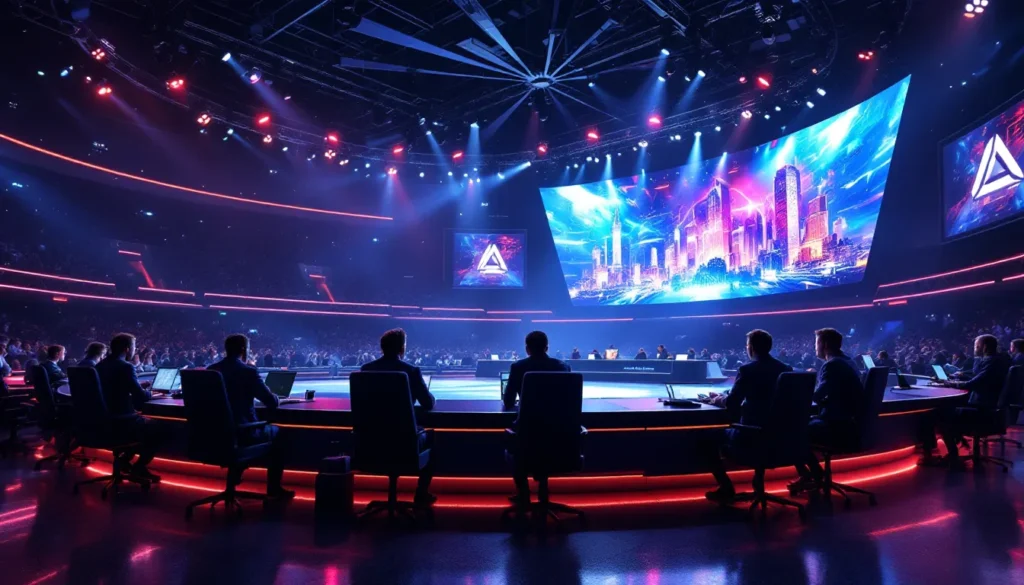
The Championship itself gets premium treatment. It’s typically held at a physical venue (though some seasons have been online due to circumstances), with live audience attendance, opening ceremonies, and the kind of spectacle that elevates esports. Tickets become available for fans wanting the Championship experience in person, watching your team advance through brackets in a packed arena creates memories that streaming can’t fully replicate.
Schedules are announced at the start of each season. League Play typically runs specific days of the week, making it easy to plan viewing time around other commitments. Seasonal tournaments follow set dates. The Championship date is locked in months in advance, allowing fans and teams to prepare.
Content creators covering esports provide breakdown analysis. Esports coverage from outlets like Dexerto breaks down meta shifts, roster changes, and match analysis. Other platforms provide similar coverage, helping fans understand the narratives and storylines heading into the Championship.
Getting Involved As A Fan And Player
Fandom in the CDL runs deep. Fans wear team jerseys, sport team logos, and engage in friendly rivalries. The most passionate fans follow their favorite organizations across all platforms, YouTube, Twitter, TikTok, staying informed about roster changes, scrim results, and player performances.
Social media engagement is huge. Players tweet about matches, react to plays, and interact with fans. Following your favorite player’s Twitter or TikTok keeps you in the loop about their perspective on the meta, their confidence heading into tournaments, and their personality outside competition. The transparency builds genuine fan connections rather than distant celebrity worship.
Aspiring competitive players can start their journey by understanding the path. Call of duty championship shows where the pipeline starts. Most professional players began in ranked play, moved to 4v4 tournaments, and eventually caught the attention of franchises or academy teams.
Competitive Call of Duty has structured pathways. The CDL Academy system features teams affiliated with franchises, providing development opportunities for young talent. Open tournaments give any player a chance to prove themselves. Ranked play leaderboards showcase mechanical talent. Breaking into franchises is difficult but not impossible, dedication, smart networking, and proven results can catch scouts’ attention.
Streamers also play a role in the ecosystem. Professional players stream their gameplay, explaining decision-making and sharing strategies. Watching streams shows what top-level Call of Duty actually looks like, the precision, the communication, the constant adaptation to opponent adjustments. Streamers often interact with viewers, creating community spaces where fans connect with each other and with players.
Conclusion
The Call of Duty Championship stands at the intersection of esports maturity and competitive gaming excellence. What started as community-driven competition has evolved into a multi-million-dollar franchise system where the best players battle on the biggest stage. The 2026 Championship brings fresh rosters, evolving metas, and the same high stakes that make competitive Call of Duty essential viewing for esports fans.
Understanding the Championship means grasping how teams qualify through League Play and seasonal tournaments, how the franchise structure ensures sustained competition, and how individual players operate within team contexts. It means recognizing that victory requires mastery across three distinct game modes, tactical flexibility, and the mental fortitude to perform under extreme pressure.
For aspiring competitors, the Championship represents an achievable goal, thousands of players grind ranked play every day hoping to catch franchise scouts’ attention. For casual fans, it’s entertainment that showcases human skill and competitive drama at the highest level. For the organizations themselves, it’s the ultimate validation of their investment and tactical vision. Whether you’re tracking your favorite team’s Championship run, studying competitive strategies, or chasing your own esports dreams, the Call of Duty Championship remains competitive gaming’s premier event, where preparation, talent, and moment converge to crown a champion.