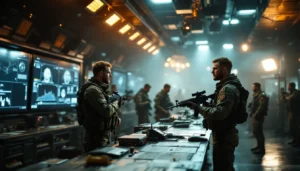
In the chaotic world of squad-based games, one moment of brilliance can turn the tide of battle, while a single misstep can lead to a glorious squad wipe. Picture this: your team’s cruising to victory, and then—bam!—the enemy descends like a swarm of angry bees. Panic sets in, and suddenly, it’s every player for themselves. But fear not! Surviving a squad wipe isn’t just about luck; it’s about strategy, quick thinking, and maybe a bit of creative chaos.
Understanding Squad Wipe Survival
Surviving a squad wipe hinges on understanding key concepts and dynamics within team-based games. This section delves into the definition of a squad wipe and its significance for team success.
Definition of Squad Wipe
A squad wipe occurs when an entire team is eliminated in a single engagement. This event typically results from effective enemy tactics or missteps by the team. Players might face sudden exposure to opponents or miscommunication, leading to rapid defeat. Recognizing this concept allows teams to develop better defensive strategies and improve overall gameplay.
Importance in Team-Based Games
Squad wipes profoundly impact the outcome of team-based games. An entire team losing all members often results in a loss of morale, leaving teammates vulnerable. Effective coordination and communication can mitigate these risks. Teams with a clear strategy are more likely to recover from close encounters. Understanding squad wipe dynamics encourages players to prioritize teamwork and improvisation during skirmishes.
Key Strategies for Squad Wipe Survival

Successful survival during a squad wipe situation relies heavily on solid strategies. Two critical areas to focus on are communication and coordination, as well as resource management.
Communication and Coordination
Effective communication lays the groundwork for successful teamwork. Players need to share intel quickly, addressing enemy positions and tactical shifts. Listening is equally essential; teammates must acknowledge each other’s input on strategies. Establishing roles prior to engagements helps streamline decision-making when chaos ensues. Coordinated movements provide advantages, enabling a squad to flank enemies or retreat safely. Ensuring clear voice or text communications helps prevent misunderstandings that can lead to serious missteps.
Resource Management
Managing resources effectively can tilt the odds in favor of a squad. Players should assess their ammunition, health supplies, and equipment frequently. Keeping track of what teammates possess helps avoid duplication and ensures all resources are utilized optimally. Collecting items in advance can prove beneficial during skirmishes. Players ought to prioritize high-impact items like grenades and medkits, distributing them based on each squad member’s role. This efficiency enhances the squad’s overall effectiveness during encounters, reducing vulnerability to enemy attack.
Defensive Tactics for Survival
Successfully surviving squad wipe situations requires effective defensive tactics. Players must prioritize positioning and utilize terrain to enhance their chances of staying in the fight.
Positioning and Cover
Effective positioning reduces exposure to enemy fire. Teams should spread out to minimize the chances of multiple players getting hit simultaneously. Using available cover, like walls or trees, shields squads from direct fire. Players should avoid predictable locations, constantly assessing angles that limit vulnerabilities. Engaging from higher ground offers tactical advantages, allowing players to spot threats early. Rotating positions also disrupt enemy targeting and improves overall squad survivability. In chaotic scenarios, quick adjustments to cover can lead to successful defenses.
Use of Terrain
Utilizing terrain to advantage plays a crucial role in survival. Players can leverage natural barriers like hills and dips to obscure movements. High ground provides a significant advantage for spotting enemies and maintaining visibility. Cliffs and elevations restrict enemy approaches, forcing them into predictable paths. Tight spaces can funnel enemies, making it easier to engage them with controlled fire. Always scout for terrain features that facilitate ambush tactics. Adapting quickly to the environment heightens defensive capabilities, keeping squads coordinated and protected against potential squad wipes.
Offensive Tactics for Squad Wipe
Executing offensive tactics effectively can turn the tide during critical engagements. Prioritizing strategic maneuvers enhances a team’s chances of success.
Flanking and Ambush Techniques
Flanking involves positioning around the enemy to attack from an unexpected angle. This approach can create confusion and reduce targets for opponents. Players must coordinate movements and timings to maximize impact. Ambush techniques also add an element of surprise, as teams wait for enemies to approach before launching an attack. Utilizing terrain, such as bushes or elevated ground, enhances the effectiveness of ambush setups. Teams should communicate silently to avoid giving away their position. Effective use of flanking and ambush tactics can dismantle an unprepared enemy squad.
Timing Your Attack
Timing is crucial when launching an attack. Coordinated strikes during an enemy’s vulnerable moments can yield significant advantages. Synchronizing movements with teammates ensures that everyone hits the target at the right moment. Observing enemy behavior helps identify opportune times for engagement. Teams should plan to attack when enemies are distracted or repositioning, as this increases chances of success. Quick decision-making plays a pivotal role in ensuring a swift and effective offensive. Prioritizing timing during skirmishes leads to more successful outcomes.
Psychological Aspects of Survival
Surviving a squad wipe involves significant psychological resilience. Players must manage their responses to high-stress situations effectively.
Staying Calm Under Pressure
Maintaining composure in chaotic scenarios enhances decision-making. Panic often leads to mistakes, diminishing a squad’s chance of survival. Learning breathing techniques can help regulate heart rates during engagements. Additionally, a clear focus on objectives keeps players grounded. Fostering a mindset of adaptability allows teams to pivot strategies as conditions change. Emphasizing teamwork strengthens support systems within the squad, enhancing morale and confidence.
The Role of Team Morale
Team morale directly impacts performance in high-stakes situations. A positive atmosphere encourages players to communicate openly and work collaboratively. A single setback, such as a squad wipe, can diminish confidence if not handled promptly. Reinforcing communication channels after a loss fosters recovery and growth. Celebrating small victories boosts spirits and reinforces the belief in collective abilities. Recognizing individual contributions and efforts keeps the team united, even during challenging times. High morale leads to better coordination and tactical execution in future engagements.
Surviving a squad wipe requires a blend of strategy and teamwork. Players must prioritize communication and resource management to navigate chaotic encounters effectively. By understanding the dynamics of their environment and leveraging defensive and offensive tactics, squads can enhance their chances of survival.
Psychological resilience plays a crucial role in maintaining composure during high-stress situations. Teams that foster a supportive atmosphere can boost morale and improve coordination. Emphasizing clear roles and celebrating small victories helps reinforce unity, preparing squads for future challenges. Ultimately, adapting to the unpredictable nature of squad-based games is key to thriving in the face of adversity.