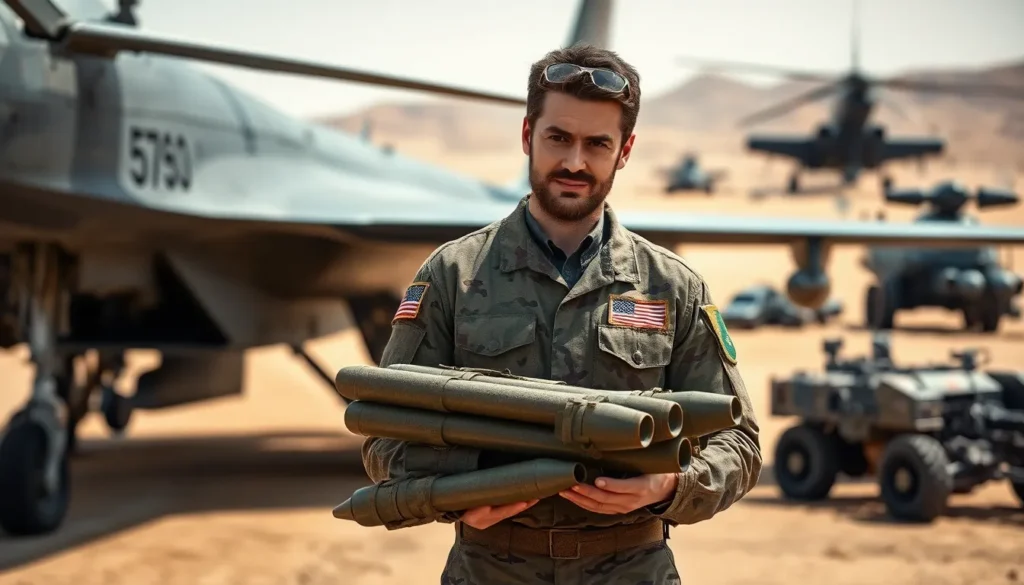
In the high-stakes world of military strategy, few tools are as controversial—and effective—as cluster strikes. Imagine a precision instrument that scatters destruction across a wide area, leaving enemies bewildered and allies debating the ethics of its use. It’s like throwing a surprise party, but instead of cake, there are explosives.
Cluster strikes have sparked intense discussions about their effectiveness and morality. While some hail them as game-changers in modern warfare, others raise eyebrows at the potential for collateral damage. As military tactics evolve, understanding the nuances of cluster strike usage becomes essential for anyone interested in the dynamics of contemporary conflict. Buckle up and get ready to dive into the explosive world of cluster strikes—where strategy meets a bit of chaos and a whole lot of debate.
Overview of Cluster Strike Usage
Cluster strikes involve deploying multiple small munitions over a broad area. These weapons release submunitions that can cover a larger target zone, increasing the likelihood of hitting enemy forces. Military forces often use cluster strikes for their ability to inflict widespread damage and disrupt enemy formations.
Countries utilizing cluster munitions argue they offer strategic advantages. Increased effectiveness against dispersed troop formations often leads to quick tactical victories. They serve as a psychological tool, instilling fear in opponents who face potential bombardment over wide areas.
However, the ethical implications of cluster strikes remain contentious. Many nations view the risk of civilian casualties as unacceptable. Landmines and unexploded ordnance can persist long after conflicts, posing threats to civilians and hindering post-war recovery efforts.
Debates over the legality of cluster munitions continue in international forums. The Convention on Cluster Munitions, adopted in 2008, prohibits their use and mandates the clearance of affected areas. Despite this, several military powers have not signed the treaty, highlighting contrasting views on operational necessity versus humanitarian concerns.
Strategists acknowledge both benefits and drawbacks of cluster strike usage. Understanding the potential for significant impact alongside the ethical considerations shapes ongoing discussions in military policy. Countries reevaluate their stance on these munitions while navigating the challenge of modern warfare tactics.
Historical Context
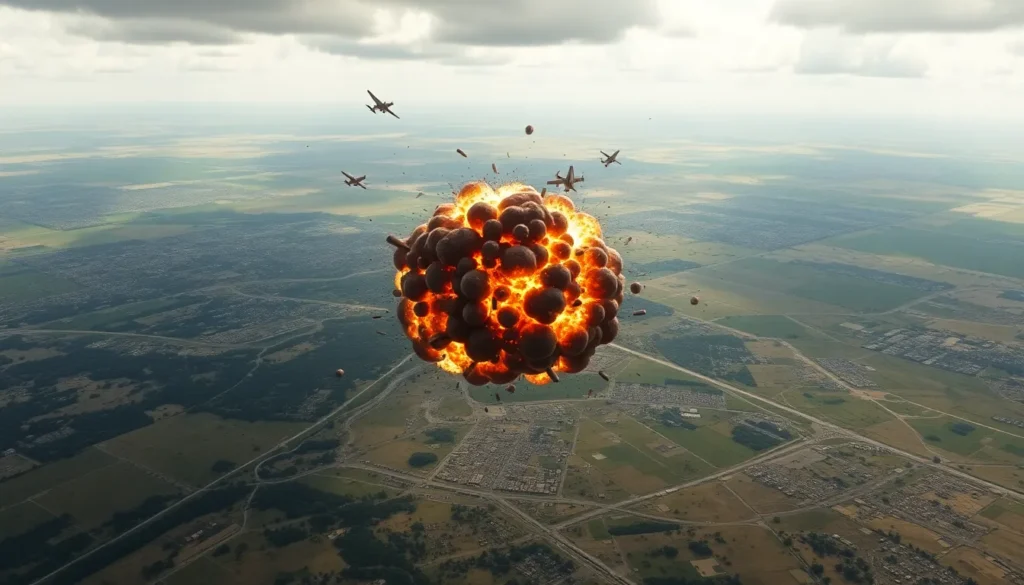
Cluster strikes have a complex history that intertwines military effectiveness with humanitarian concerns.
Development of Cluster Munitions
Development of cluster munitions began during World War II, aiming to deliver concentrated fire over a wide area. Initial designs included various types of submunitions, each designed for specific targets. Notable advancements occurred in the 1960s, with several nations enhancing the range and reliability of their cluster weapons. The Vietnam War showcased their effectiveness, as military forces employed these munitions for tactical advantages. Continued refinements in the 1980s and 1990s improved detonation mechanisms and targeting systems. Despite these advancements, the humanitarian impact of unexploded ordnance raised significant concerns, prompting calls for regulation.
Key Conflicts Involving Cluster Strikes
Key conflicts involving cluster strikes highlight their strategic role and consequent controversies. During the 1991 Gulf War, coalition forces extensively used cluster munitions against Iraqi troops, inflicting significant damage. The Balkan conflicts in the 1990s further demonstrated their deployment, with NATO using cluster bombs to target military assets. In recent conflicts, such as the Syrian Civil War, various factions employed these strikes, raising alarms over civilian casualties. Each of these instances provoked debate over legality and morality, spurring international efforts to address the issues associated with their usage. Ongoing discussions continue to shape the policies surrounding cluster munitions in modern warfare contexts.
Legal and Ethical Considerations
Legal and ethical considerations regarding cluster strikes remain significant in contemporary military discussions.
International Treaties and Regulations
International treaties and regulations aim to address the use of cluster munitions. The Convention on Cluster Munitions, adopted in 2008, prohibits their deployment due to concerns surrounding humanitarian impact. Countries participating in the convention commit to destroying their stockpiles and assisting affected communities. However, several military powers, including the United States and Russia, have not signed this treaty, maintaining that operational requirements justify their use. The contrast between signatory and non-signatory nations raises questions about compliance with international humanitarian law. Ongoing debates in forums like the United Nations reflect varying perspectives on balancing military strategy and humanitarian principles.
Moral Implications of Cluster Strike Usage
Moral implications profoundly influence discussions about cluster strike usage. Many people express concern for civilian casualties resulting from these strikes, particularly in urban areas where populations are dense. Unexploded ordnance poses ongoing risks, potentially harming civilians long after conflicts end. The debate extends beyond immediate military success, as ethical considerations regarding proportionality and distinction within international law grow in prominence. Humanitarian organizations emphasize the need for accountability and care in military operations. Advocating for civilian protection remains critical, as public opinion increasingly favors military actions that minimize harm to non-combatants.
Tactical Advantages of Cluster Strikes
Cluster strikes offer distinct tactical advantages in military operations. These munitions cover extensive areas, increasing the likelihood of enemy engagement. Their ability to deliver multiple explosive submunitions maximizes damage potential and disrupts enemy formations. Quick strikes enable forces to gain the upper hand, often leading to rapid victories. Psychological effects also contribute to success, as the fear of cluster strikes can deter enemy movement and strategy.
Operational Benefits in Warfare
Effective use of cluster strikes can lead to significant operational benefits. First, their capability to target clustered enemy troops or equipment enhances overall strike efficiency. Second, quick deployments in various terrains provide flexibility, allowing forces to adapt to shifting battlefield dynamics. Lastly, the ability to incapacitate critical assets, such as supply lines or command centers, directly influences enemy capabilities. These strategic advantages contribute to a force’s overall effectiveness in achieving mission objectives.
Limitations and Risks
Limitations and risks accompany the deployment of cluster strikes. Unexploded ordnance poses a long-term threat to civilians, complicating post-conflict recovery efforts. High civilian casualties challenge the legality of cluster munitions under international law. Additionally, ethical concerns arise concerning the indiscriminate nature of these weapons, leading to public outcry and calls for regulation. Operational effectiveness may diminish in densely populated areas, as civilian presence increases the likelihood of unintended casualties. Each of these risks necessitates cautious consideration in military planning and operations.
Modern Perspectives on Cluster Strike Usage
Understanding modern perspectives on cluster strike usage requires examining military views and public reactions. The ongoing discourse highlights varying opinions on this contentious military tactic.
Current Military Opinions
Military leaders assess cluster strikes as effective for achieving tactical advantages. Many argue that these munitions can disrupt enemy operations across large areas. Efficiency in targeting multiple units enhances a military’s ability to dominate the battlefield. Some armed forces emphasize their operational necessity despite humanitarian concerns. Countries like the United States continue to endorse their use, citing immediate combat needs. Critics within military circles raise alarms about long-term implications for civilians. Attention to unexploded ordnance remains crucial, as it poses a significant threat post-conflict. Tensions between operational goals and ethical responsibilities shape military strategies.
Public and Humanitarian Responses
Public and humanitarian organizations respond strongly to the use of cluster munitions. Many advocates campaign for stricter regulations on their deployment. Reports from entities such as Human Rights Watch highlight civilian casualties linked to these strikes. Awareness of the potential for unexploded ordnance drives demands for accountability from military forces. Communities affected by past conflicts often call for assistance in safe recovery efforts. The overall public sentiment increasingly favors military actions minimizing harm to non-combatants. Advocacy groups stress the need to prioritize humanitarian actions over tactical gains. Conversations about cluster strike usage highlight a growing commitment to civilian protection.
Cluster strike usage remains a complex topic in modern military strategy. While they offer tactical advantages and can lead to swift victories, the ethical implications cannot be overlooked. The debate continues to evolve as nations grapple with the balance between operational necessity and humanitarian concerns.
As military leaders assess the effectiveness of these strikes, public sentiment increasingly favors approaches that prioritize civilian safety. Ongoing discussions in international forums highlight the need for accountability and stricter regulations to mitigate the risks associated with unexploded ordnance. The future of cluster munitions will likely depend on how these competing interests are reconciled in the ever-changing landscape of warfare.