
Deciding when to spay a cat can feel like a game of cat and mouse, but the stakes are higher than just a playful chase. Timing is everything, and getting it right can lead to a happier, healthier feline friend. After all, no one wants their cat to become the neighborhood Casanova or to face unexpected litters.
Understanding Spaying and Its Benefits
Spaying a cat serves multiple purposes, primarily targeting population control. This surgical procedure prevents unwanted litters, addressing overpopulation issues that impact shelters. Health benefits significantly enhance a spayed cat’s quality of life.
Reduced risks of certain cancers, particularly mammary tumors and uterine infections, stand out as major advantages. Lower hormone levels lead to decreased aggression, roaming behavior, and yowling associated with mating. Owners report improved behavior after spaying, contributing to a peaceful home environment.
Timing plays a crucial role in maximizing these benefits. Experts recommend spaying cats between five to six months of age, before their first heat cycle. Early spaying not only secures health advantages but also minimizes behavioral issues.
Spaying also contributes to community welfare by decreasing the number of stray and abandoned cats. Less competition for resources helps maintain a healthier population in the area. Supportive veterinary care and education about spaying further enhance these outcomes.
Overall, spaying leads to responsible pet ownership. The advantages span health, behavior, and community impact, making it a crucial consideration for cat owners.
Factors Influencing Spaying Age
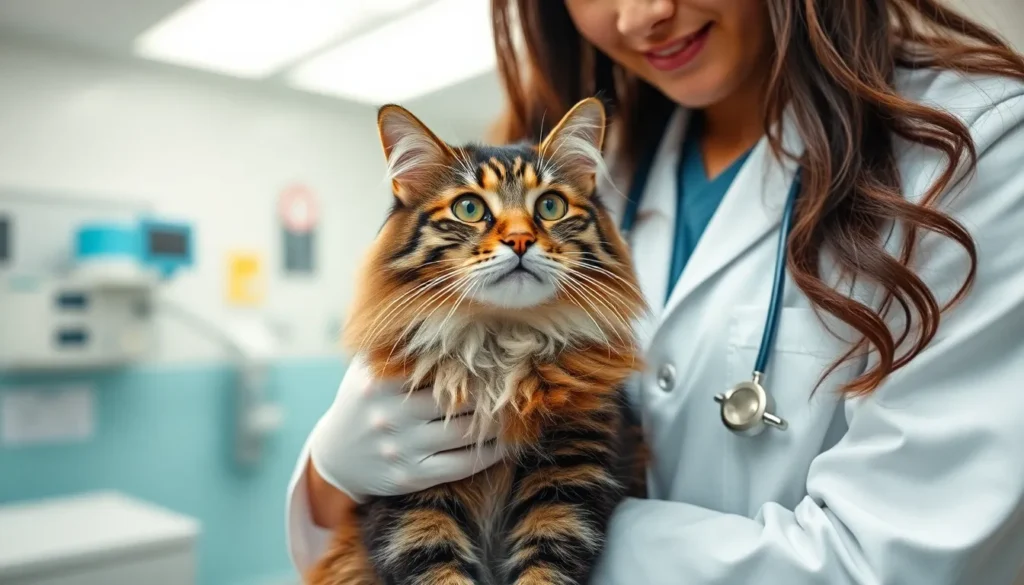
Several factors influence the appropriate age for spaying a cat, ensuring optimal health and behavior.
Breed Considerations
Specific breeds may reach maturity at different rates. Larger breeds, such as Maine Coons, often mature slower than smaller breeds like Siamese. Spaying may occur later for these larger breeds, generally around six to eight months, to avoid potential growth and developmental issues. Conversely, shorter-maturing breeds tolerate earlier spaying, usually at five months. Consult veterinarians regarding breed-specific recommendations for spaying since they can offer tailored advice based on individual needs.
Health Conditions
Existing health conditions significantly affect spaying timing. Certain medical issues, like heart murmurs or infections, require careful assessment before surgery can occur. Delaying spaying might be necessary if the cat is undergoing treatment or monitoring for specific ailments. A veterinarian’s expertise remains crucial in identifying these conditions and determining the safest time for the procedure. Proper evaluation ensures both immediate health and long-term well-being during the spaying process.
Recommended Ages for Spaying
Spaying a cat at the right age significantly impacts its health and behavior. Timing varies based on breed and individual circumstances.
Kittens Under 6 Months
Spaying kittens before six months promotes health benefits and behavior improvements. It’s best to spay them ideally at five months, well before their first heat cycle. During this period, hormonal changes haven’t fully developed, which decreases the risk of health issues linked to unspayed cats. Many shelters and veterinarians support early spaying to help control the abandonment of kittens in the community. Kittens can recover quickly from the procedure, returning to their playful routines shortly after surgery. Regular check-ups ensure that the kitten remains in good health as it matures.
Cats Over 6 Months
For cats older than six months, spaying remains essential, although the timing may vary. Some experts suggest spaying as soon as veterinary assessments confirm readiness. Hormonal impacts from their first heat cycle can lead to behavioral issues, such as excessive yowling or aggression. Larger cat breeds, like Maine Coons, might typically require spaying around six to eight months to avoid potential growth complications. If a cat has existing health challenges, veterinarians may recommend delaying spaying for safety. Regular consultations with a veterinarian provide personalized insights and recommendations to ensure optimal timing for the procedure.
Post-Spaying Care
Post-spaying care is crucial for a smooth recovery. Proper attention ensures a cat’s rapid healing and comfort.
Recovery Tips
Provide a quiet space for rest. Cats appreciate a calm environment free from loud noises and heavy foot traffic. Monitor the surgical site regularly for any signs of swelling or discharge. Keeping the area clean helps prevent infections. Offer soft food to make eating easier as the anesthesia wears off. Encourage hydration by providing fresh water. Distraction can help during recovery, so toys that don’t require excessive movement are ideal. Follow the veterinarian’s instructions regarding activity restrictions to aid healing. Most cats adjust well within a week, but continued observation is important.
Signs of Complications
Watch for unusual behaviors that could indicate complications. Lack of appetite or persistent vomiting often suggests an issue. Excessive licking at the surgical site may lead to irritation or infection. Noticeable swelling or redness at the incision requires immediate veterinary attention. Cats that seem lethargic or have difficulty returning to normal activities might need medical evaluation. A fever or discharge from the incision should also raise concerns. Prompt action can prevent serious complications and promote a healthier recovery.
Choosing the right age to spay a cat is vital for her health and well-being. Spaying not only helps in controlling the cat population but also reduces the risk of certain health issues and improves behavior. By consulting with a veterinarian, cat owners can determine the best timing based on their pet’s unique needs and circumstances.
Post-operative care is equally important to ensure a smooth recovery. With the right approach and timely intervention, spaying can lead to a happier and healthier life for cats while promoting responsible pet ownership within the community. Taking these steps contributes to a more peaceful home and a brighter future for all cats.